• Skip to primary navigation
  • Skip to main content
  • Skip to primary sidebar
  • Skip to footer
RevUp Dental

RevUp Dental

Drive More Patients To Your Practice With Our Patients Generating Dental Platform.

  • Solutions
    • Dental Website DesignBook more patients with our dental websites.
    • Google Ads for DentistsGet more new patients with google ads campaigns for dentists.
    • Dental SEOData-driven dental SEO that brings new patients.
    • Dental Staff TrainingTake your customer service and booking success to the next level.
    • ScorecardRun a smarter, more profitable dental practice.
  • Resources
    • Dental Marketing LibraryExplore our collection of articles focused on the latest trends and best practices in dental marketing.
    • Free eBooksOur free, comprehensive guides for in-depth knowledge and practical strategies to get more patients.
    • Video HubWatch our video tutorials designed to enhance your dental marketing strategies and skills.
    • WebinarsParticipate in our webinars for hands-on training and live feedback.
    • Dental Staff TrainingTake your customer service and booking success to the next level.
  • Testimonials
  • About
  • Login
  • Request a demo

Operations

Where to Find the Best Dental Receptionists

revupmanager Filed Under: Dental Marketing, Operations March 25, 2024

Where to Find the Best Dental Receptionists

Key Takeaways

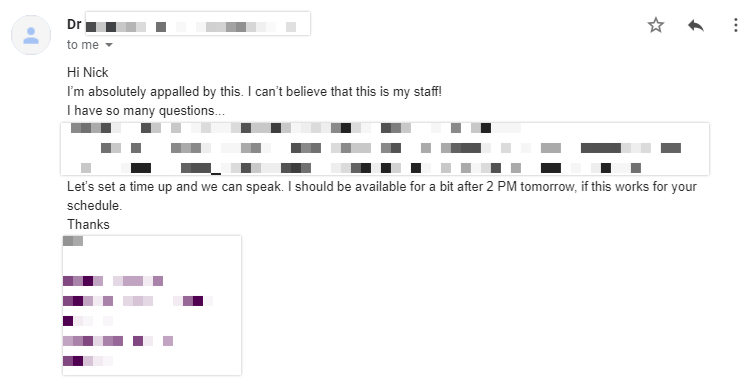
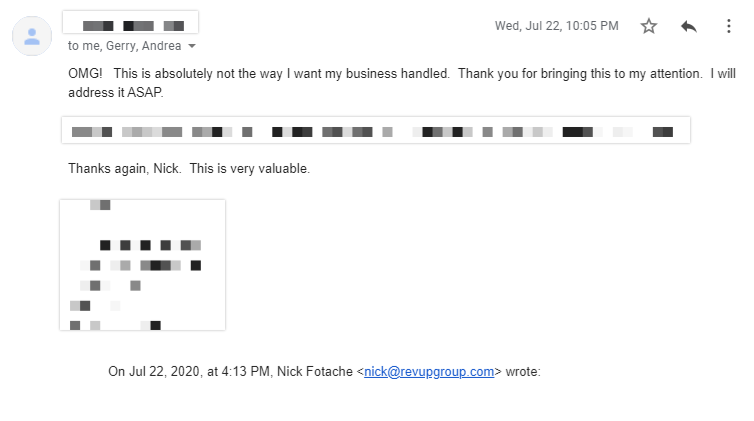
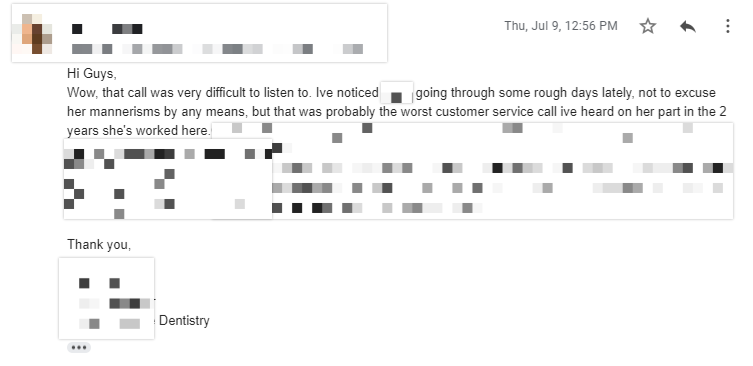
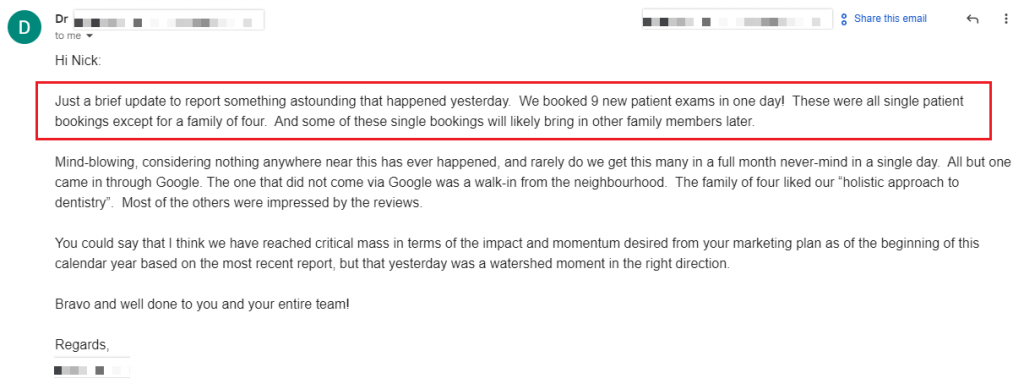
  • The first voice a patient hears shapes their entire impression of your practice before they ever walk through the door. Who answers your phone matters as much as how your office looks.
  • Limiting your search to candidates with dental experience significantly narrows your options. Some of the strongest receptionists come from customer service roles in other industries.
  • Personality and interpersonal skills predict phone performance better than dental knowledge does. Dental software and terminology can be taught. The ability to make someone feel welcome is much harder to train.
  • Many dentists know their front desk is not the right fit but feel stuck because they assume good candidates are hard to find. Broadening the hiring criteria tends to open up more options than expected.
  • A structured training plan that builds skills one at a time reduces the learning curve for new hires and gets them contributing faster than most dentists expect.

Imagine calling a dental practice for the first time. The voice on the other end of the line becomes your first impression of the clinic. Does it inspire confidence, warmth, and professionalism, or does it leave you doubting the quality of care you might receive? This initial interaction can be the deciding factor for many potential patients, painting a vivid picture of the dentist, the practice, and the staff without them having seen a single face or entered the practice’s doors.

The Power of the Right Team

A dental practice’s success is intricately linked to the quality of its team. The right staff can propel a practice to new heights, creating a positive, nurturing environment that patients love to visit. Conversely, the wrong team members can drag a practice down, creating barriers to success and growth. This principle is well-documented in business theory, notably in Jim Collins’ “Good to Great,” which stresses the importance of having the right people on board. In the context of a dental practice, this means not just skilled clinicians but also front-desk staff who can deliver exceptional customer service and create a welcoming, professional first impression.

A Common Dilemma

Many dentists are painfully aware that their current front desk staff might not be the best fit for their practice. However, they often feel stuck due to the perceived scarcity of suitable candidates. The go-to solution has been to look for candidates with dental experience, but this narrow focus can overlook a vast pool of potential talent with valuable customer service experience in other sectors. Dentists might resist hiring from outside the dental field due to concerns about the steep learning curve, yet this approach has been successfully adopted by many top-performing practices and Dental Service Organizations (DSOs), leading to significant improvements in patient satisfaction and practice growth.

The Right Attitude Over Dental Experience

The most forward-thinking dental practices prioritize personality and customer service ability over specific dental office experience. This philosophy mirrors that of customer-centric companies like Starbucks, Ritz Carlton, and Apple, which focus on finding individuals with the right attitude and then training them to meet the company’s high standards. Data supports this strategy, showing that receptionists who are personable and engaging, regardless of their dental experience, are more effective at converting inquiries into appointments. This approach not only broadens the talent pool but also fosters a more dynamic, patient-focused practice culture.

Training for Success

The prospect of training a newcomer to the dental field might seem daunting, but with a structured approach, it can be surprisingly efficient. New hires can quickly become operational, learning to navigate patient management systems and handle basic tasks. Over time, as they grow more familiar with the practice and its patients, they begin to contribute in more significant ways, developing personal connections that enhance patient loyalty and satisfaction. A systematic training plan, focusing on one skill at a time, ensures new staff members are not overwhelmed and can gradually build their competence and confidence.

Customer Service: The Cornerstone of Success

Exceptional customer service is often the unsung hero of successful dental practices. While high-quality dental care is a given, the level of customer service can truly differentiate a practice in a crowded market. Viewing customer service as essential rather than optional encourages a shift in hiring practices. By valuing interpersonal skills and the ability to create a positive patient experience above all, practices can transform their patient interactions. This shift is crucial in an era where patients have high expectations for service and can easily share their experiences with a wide audience online.

Conclusion

The journey to find the ideal dental receptionist requires an open-minded approach to recruitment, valuing potential and personality alongside, or even above, specific dental experience. This strategy aligns with the broader trend of prioritizing customer experience as a key driver of business success.

By focusing on candidates who are capable of delivering exceptional service and willing to learn the specifics of the dental field, practices can not only improve their patient interactions but also set the stage for significant growth and success. In doing so, they ensure that the first point of contact for their practice is not just a gateway but a welcoming introduction to the high standard of care and professionalism that defines their clinic.

In the fast-paced and highly competitive world of dental care, every call to your office is an opportunity to grow your practice. Our free ebook, “The Power of Discovery Questions” is a great tool for your front-desk staff to equip them with the knowledge and skills to make every first impression count and turn callers into patients. Check it out here.

How to Rebook Cancelled Appointments

revupmanager Filed Under: Operations March 12, 2024

How to Rebook Cancelled Appointments

Key Takeaways

  • Most receptionists accept a cancellation and end the call without attempting to rebook. That single habit is one of the biggest sources of lost revenue in a dental practice.
  • Empathy comes first. A receptionist who acknowledges the patient's situation before offering an alternative date is far more likely to get them back on the schedule.
  • Training alone does not fix the problem. Without a system to record and review calls, staff will fall back into old habits quickly.
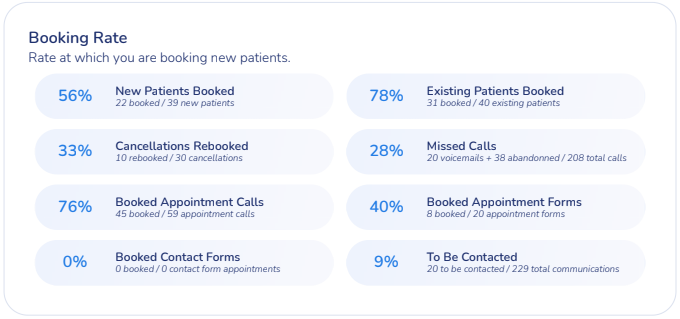
  • Practices that implement call monitoring and regular review often see rebooking rates jump from 20 to 30 percent to over 70 percent.
  • A follow-up process for patients who cannot rebook on the spot shows them they are valued and keeps the door open for a future appointment.

As a dental practice owner, it’s disheartening to arrive at the office only to find a significant number of your appointments for the day have been canceled. This not only disrupts your schedule but also impacts your practice’s efficiency and profitability. Why do these cancellations happen so frequently, and what can you do about it? The answer often lies in the interaction between your staff and patients.

Understanding the Root Causes

Staff Communication: The way your staff communicates the value of appointments can significantly influence patient decisions. Ineffective communication may lead to patients not understanding the importance of their appointments.

Handling Cancellation Calls: How your staff handles cancellation calls plays a crucial role. Without proper tracking, there’s no way to ensure they are being handled as you would hope

What Most Receptionists Do

Imagine a patient calls to cancel their appointment due to an unforeseen circumstance. Ideally, your receptionist should empathize and offer an alternative date. However, many practices find that their receptionists simply accept the cancellation and end the call, missing the opportunity to reschedule.

A Better Way to Handle Cancellations

Empathy and Active Listening: Train your staff to show empathy and understand the patient’s situation. This builds trust and opens the door for rescheduling.

Offering Alternatives: Your staff should be prepared to offer immediate alternatives for another appointment. This proactive approach can significantly reduce missed opportunities.

Follow-Up Procedures: Implement a system for following up with patients who can’t reschedule immediately. This shows patients that they are valued and encourages them to book another appointment.

The Impact of Accountability and Training

Training your staff is essential, but without an accountability system, it’s easy for them to fall back into old habits. Recording and monitoring calls, and regularly reviewing these with your staff, can lead to significant improvements in how they manage appointments.

After implementing a call recording and review system, many dental practices see a dramatic increase in their rebooking rates, from as low as 20-30% to over 70%. This shows the power of accountability and targeted training.

Conclusion

Managing patient appointments effectively is more than just about training; it’s about creating a culture of accountability and continuous improvement. By understanding the reasons behind cancellations and equipping your team with the right tools and strategies, you can transform the way your practice handles appointments. This leads to a more efficient operation, happier patients, and a healthier bottom line.

Optimizing Phone Conversations to Book More Patients

revupmanager Filed Under: Operations September 18, 2023

Optimizing Phone Conversations to Book More Patients

Key Takeaways

  • The first few seconds of a call set the tone. A greeting that includes the practice name, the receptionist's name, and a warm offer to help makes an immediate difference.
  • When a patient asks about price, the receptionist should not answer with a number or refuse to answer. Asking a few questions first shifts control of the conversation and opens the door to a real interaction.
  • Discovery questions help the receptionist understand the patient's actual situation. The more specific the questions, the more personalized and effective the rest of the call becomes.
  • Patients call because they are in pain, anxious, or unsure. Empathy and a human tone do more to build trust than any list of services or amenities.
  • Promoting the practice works best when it feels natural, not scripted. Mentioning flexible hours, a specific dentist's experience, or a kid-friendly environment should come in response to what the patient has already shared.

In the competitive world of dentistry, it’s crucial for your team to be skilled in effective phone communication. How your team talks on the phone can greatly impact your dental practice’s success.

In our recent webinar, we discussed essential steps to improve your phone conversations, specifically tailored for the dental field.

Step 1 - Start with a Warm Welcome

When it comes to answering phone calls at a dental practice, it’s essential to recognize the significance of the initial impression you make. The way you greet patients can significantly impact their perception of your practice. Therefore, follow these key principles to ensure a warm and effective phone interaction.

Begin by extending a warm welcome that conveys friendliness and professionalism. This can be achieved by offering a pleasant greeting, such as “good morning” or “good afternoon,” immediately followed by stating the name of your dental practice, thereby confirming to the patient that they have indeed reached the right destination.

Furthermore, it’s equally crucial to introduce yourself by sharing your name, which adds a personal touch to the conversation. This introduction not only humanizes the interaction but also allows the patient to address you by name, making the conversation more engaging and personable.

Initiating the conversation, instead of leaving it entirely up to the caller, is another important aspect to consider. By doing so, you ease any potential discomfort the patient might feel and create a more welcoming atmosphere for them to express their needs or concerns.

Additionally, remember the power of maintaining a friendly and warm tone throughout the conversation. Smiling while speaking, even if the patient can’t see it, can convey a sense of warmth and professionalism. This simple action can help build trust and rapport with the patient.

Lastly, avoid using gimmicky or condescending phrases in your greeting, as these can come across as insincere or even off-putting. Stick to clear and effective openings, such as “this is ABC Dental,” which provide all the necessary information without any unnecessary embellishments.

Step 2 - Shift the Power

Shifting the power during phone conversations is a vital aspect of ensuring effective communication, especially in the context of a dental practice. It involves taking control of the conversation without overwhelming the patient. When you leave the patient to ask all the questions, it can make them feel like they’re carrying the weight of the conversation, which is far from an ideal scenario.

Consider a typical situation where a patient inquires about a dental service, like dental implants. They might ask something like “Do you guys do dental implants?” In some instances, the receptionist may respond with a curt “Yes, we do,” leaving the patient to figure out what to say next. This approach often leads to misunderstandings. It’s important to realize that when someone asks about the cost, it doesn’t necessarily mean they’re just price shopping. More often, it’s because they don’t know how else to initiate the conversation.

Now, let’s delve into the psychology behind these interactions. If a receptionist responds with a simple “Yes, we do” and leaves it at that, the caller might perceive it as dismissive or uninterested. This is one of the primary reasons dental practices believe that potential patients are merely price shopping, not genuinely interested in their services.

In reality, patients seek answers to various questions, but the cost inquiry is a common starting point because it feels safe and straightforward. However, what follows next is crucial. If the receptionist immediately assumes that the patient is not serious or feels irritated, it can negatively impact the conversation. The receptionist’s tone may change, and they might hurry through the interaction, leaving the patient unsatisfied and less likely to choose their practice.

Alternatively, some receptionists might insist on an in-person consultation before providing any cost information. While this approach is intended to ensure a thorough evaluation, it can come across as a barrier to potential patients. The patient might interpret it as an unwillingness to provide straightforward answers or an attempt to delay the process.

So, how can the power dynamic in these conversations be shifted to create a more positive experience? It’s surprisingly simple yet highly effective. Instead of instantly diving into cost details, the receptionist can acknowledge the cost question and gently say, “Can I ask you some questions so I can better assist you?” This simple phrase signals to the patient that their inquiry is taken seriously, and it shifts the responsibility of guiding the conversation onto the receptionist’s shoulders.

By asking a few relevant questions, the receptionist can better understand the patient’s specific needs and concerns. For example, if a patient inquires about dental implants, the receptionist can ask about their dental history, the reason for their interest in implants, and whether they’re already a patient at the practice. These questions not only provide valuable information but also show the patient that the receptionist is genuinely interested in helping them.

Step 3 - Use Effective Discovery Questions

The concept of “Discovery questions” in phone conversations involves asking specific questions to understand the patient’s situation and needs better. These questions go beyond basic information and help receptionists tailor their responses effectively. While some common questions like patient status and contact information are important, “Discovery questions” aim to uncover unique details about the patient.

Examples of effective “Discovery questions” include asking about the patient’s recent dental history, whether they are experiencing pain, if they have specific treatment preferences, and how long they’ve been considering treatment options. Additionally, inquiring if the patient has contacted other dental practices and what those practices told them can provide valuable insights.

Furthermore, questions like, “Do you need this for something special?” can help receptionists connect with the patient on a personal level and understand the urgency or motivation behind their inquiry.

“Discovery questions” in dental phone conversations are designed to gather essential information about the patient’s situation and motivations, enabling receptionists to provide more personalized and effective assistance. These questions enhance the overall patient experience and improve the chances of converting inquiries into appointments.

Step 4 - Build Rapport

Building rapport with patients over the phone is essential to create a positive connection and make them feel valued and cared for. When patients feel comfortable, they are more likely to trust your dental practice and follow through with appointments. Here are some tips on how to build rapport effectively during phone conversations:

  • Show empathy: Patients often call with dental issues, pain, or anxiety. Express sympathy and understanding for their situation. A simple “I’m sorry to hear that” or “I understand how you feel” can go a long way in showing empathy.
  • Acknowledge anxiety: Dental anxiety is common, so let patients know it’s perfectly normal to feel nervous. Reassure them that your team is experienced in handling anxious patients and that their comfort is a priority.
  • Personalize the conversation: Ask open-ended questions about their situation or interests. For example, inquire about their family, kids, or any special events like weddings. Showing genuine interest in their lives helps create a more personal connection.
  • Be patient-friendly: If a patient has to reschedule due to a family emergency or similar situations, be understanding and accommodating. Offer alternatives and make the process as smooth as possible.
  • Laugh and engage: If patients crack jokes or use humor to cope with their anxiety, don’t ignore it. Laughing and acknowledging their humor can help ease tension and make the conversation more pleasant.
  • Compliment and congratulate: Celebrate special occasions or milestones mentioned by the patient, such as weddings or anniversaries. Offer genuine compliments and congratulations to make them feel valued.

Overall, building rapport is about making patients feel heard, understood, and respected. It fosters trust and enhances the patient experience, increasing the likelihood of successful conversions and long-term patient relationships.

Step 5 - Promote the Practice

Promoting your dental practice during phone conversations is an effective way to attract and retain patients. Here are some strategies to incorporate into your conversations to highlight the positive aspects of your practice:

  • Mention Amenities: Bring attention to any special amenities your practice offers. For instance, mention that you have Wi-Fi in the waiting room, a toy box for kids, or free parking. These amenities can make the patient’s visit more comfortable and appealing.
  • Highlight Expertise: If you have experienced dentists or specialists on your team, emphasize their expertise and years of experience. For example, you can say, “Our dentist, Dr. XYZ, has over 20 years of experience, so you’re in capable hands.” This reassures patients about the quality of care they can expect.
  • Comfort and Care: Reiterate your commitment to patient comfort and care. Mention that your hygienists are known for being gentle and ensuring patients’ comfort. While all dental professionals prioritize patient comfort, stating it explicitly reassures patients.
  • Family-Friendly: If your practice is family-friendly, let patients know. For example, mention that you have a dentist who is excellent with children and even has a toy box. Parents will appreciate this information, making them more likely to choose your practice for their family’s dental needs.
  • Flexible Hours: If you offer extended hours or weekend appointments to accommodate busy schedules, communicate this to patients. Saying, “We know people are busy, so we stay open late on Thursdays. Does that work for you?” can be very appealing.
  • Pre-Appointment Information: Before ending the call, provide essential pre-appointment information. Confirm the appointment date and time, mention that a confirmation email and text will be sent (with a link to a new patient information form if applicable), and provide your practice’s address. Highlight any unique landmarks that make your location easy to find.
  • Duration of Appointment: Provide an estimate of how long the appointment is expected to take. This gives patients a clear idea of what to expect and helps them plan their schedules accordingly.

By incorporating these elements into your conversations, you not only promote your practice effectively but also create a positive and reassuring experience for patients. Patients are more likely to choose and stick with a practice that goes the extra mile to make them feel comfortable and valued.

Conclusion

Remember that people typically call a dental practice because they are in pain, anxious, or in need of dental care, not for fun. Being empathetic, professional, and promoting the benefits of your practice can make a significant difference in the patient’s decision to choose your practice for their dental needs.

Building a $7,000,000 Dental Practice – Interview with Dr. Carlo Biasucci

revupmanager Filed Under: Dental Marketing, Interviews, Operations May 4, 2022

Building a $7,000,000 Dental Practice – Interview with Dr. Carlo Biasucci

Key Takeaways

  • Dr. Biasucci grew his practice from $2.5 million to $7 million in three years by shifting his focus from working in the practice to working on the practice.
  • he turning point was an injury that forced him out of the chair. Without the ability to treat patients, he used the time to rethink how the business operated from the ground up.
  • Most dentists stay locked in production mode and never make time to evaluate their business strategy. Sometimes the biggest breakthroughs come from stepping back, not pushing forward.
  • Building a high-revenue practice is not just about clinical skill. It requires treating the practice as a business and making deliberate decisions about systems, team, and direction.

In this latest interview, we talk to Dr. Carlo Biasucci about how he grew his $2.5 million dollar practice in Northern Ontario to $7 million dollars of production in only 3 years. It all started with an unfortunate scuba diving accident that almost cost him his life and left him unable to practice dentistry for many months.

Without being able to work “in” the practice, Dr. Biasucci changed his focus to working “on” the practice instead. It turned out to be a blessing in disguise, giving him a chance to revaluate his business and rebuild it in a way that empowered him to do the type of work he loved and lead the kind of life he always wanted.

Learn more at https://theelitepractice.com/

What is the Real Cost of Acquiring New Patients?

revupmanager Filed Under: Operations October 14, 2021

What is the Real Cost of Acquiring New Patients?

Key Takeaways

  • Most dentists have no idea what it actually costs them to acquire a new patient. Without tracking cost per lead, cost per booking, and return on investment, every marketing dollar is a guess.
  • The average dental practice spends $400 to $500 to get one new patient in the chair. Many spend significantly more without realizing it because they never measure the results.
  • A $2,000 flyer campaign typically generates only five to six calls and two to three actual patients. That is $700 to $1,000 per patient, and most flyer companies will never share those numbers with you.
  • The question is not whether a marketing strategy works. Almost all of them work to some degree. The question is how well it works compared to what else you could be doing with the same budget.
  • Stop spreading money across random marketing activities. Fund the channel with the lowest cost per patient first, then move to the next best option once that one is maxed out.

When it comes to marketing your dental practice, the sheer number of marketing at your disposal can seem overwhelming. The temptation to simply pick a few at random and see what works is understandable, but is it really the best investment for your dental practice?

How to Ask the Right Questions

At RevUp Dental, we constantly see dentists throwing money at all kinds of random marketing activities: flyers, social media, billboards, little league teams, newspaper ads, Google Adwords— the list goes on and on. But, when we sit down with dentists and ask some basic questions like,

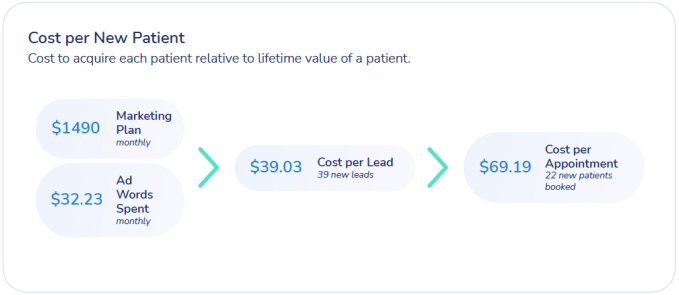
    • What is your cost per new patient lead?
    • What is your cost per appointment?
    • What is your return-on-investment from all these random things you’re doing?

—they generally have no idea.

When we ask them why they’re spending money on these things if they don’t know any of these numbers, the typical answer we hear is “well I was just trying to see what works.” 

The truth is, almost all marketing strategies work… to some degree. The question dentists should be asking themselves isn’t “Does this strategy work?”, but instead, “How well does it work?”.

In other words, ask yourself, “How much do I have to pay to acquire a new patient using this strategy, and how well does it work compared to other strategies I could be utilizing?”.

Spend Smarter, not Harder

It’s important to remember that, while you’re trying to bring in new patients, so is every other dental practice in your area. To beat the competition, you generally have two options: 

Option 1: Spend more money than everyone else

If the average dental practice in your area spends $2,000 per month on marketing, then you spend $10,000. This would give you a big advantage, assuming you have the necessary capital to spend and don’t mind potentially wasting A LOT of money. But we believe in spending smarter, not harder, which brings us to the second option…

Option 2: Spend your money in a smarter way than the competition

If other dental practices in your area are throwing money at all kinds of random marketing strategies while you, instead, are investing your money into only a few specific strategies that yield the highest return-on-investment, you’re going to have a big edge over these other dentists while spending less money in the process. In other words, your dental practice may be able to acquire patients at only a fraction of the price that other dentists in your area are paying. 

What Most Dentists Don’t Understand About Marketing

To make sure you’re getting the best returns on your marketing investments, you’ll need to track your cost to acquire new patients using various marketing activities.

Based on our experience, having looked at the numbers of different dental practices before we took over their marketing, the average dentist in North America spends around $400 to $500 on marketing just to get one new patient in the chair. This number may seem high enough, but in fact, many dental practices are spending even more than that; they just don’t realize it. 

Here’s an example: 

A dental practice decides to do a flyer campaign, so they spend $2000 on flyers. The problem is, they don’t track exactly how many calls they get every time they do a flyer blast. At best, they may track how many patients they get from it, but they have no idea exactly how many people called, how many of those people booked, and how much money those new patients spent at the practice over the resulting 6 months. 

Well, we have tracked these numbers and, on average, a $2000 flyer blast yields only about 5 to 6 phone calls from new patients. Out of those 5 to 6 calls, only 2 to 3 result in new patients. This means that the dentist spends around $300 to $400 per call and around $700 to $1000 per new patient. 

“It’s important to remember that, while you’re trying to bring in new patients, so is every other dental practice in your area.”

Pretty shocking, right? Most dentists we’ve worked with agree. This is why most paper-based marketing companies never track these stats for the clients. They know that if their clients knew the real results of these types of marketing campaigns, they would never pay for their services again. 

This isn’t to say that digital marketing, on its own, simply works better than paper-based marketing. We’ve worked with dozens of dentists who were running Google AdWords or were doing SEO before we came in. When we asked them what their stats were, such as cost-per-lead or cost-per-patient, they had no idea. In fact, not only did they not know, neither did the marketing companies they were working with!

The dentists might see some increase in new patients, but no one knew exactly how many new patients they were getting, how much money those new patients were spending with them, how much they were spending on those Facebook ads, or what their actual return-on-investment was at the end of the day.

Is Marketing Even Worth It?

So, does this mean that marketing just doesn’t work for dentists? Absolutely not!

Marketing definitely works. But, what many dentists don’t realize is that the results you get from marketing activities largely depend on who is doing the work– that is, how experienced they are, and how much time and effort they’re putting into the marketing. 

When RevUp works with new dentists, we’re able to bring in new patients at around $200 to $250 per patient in the first few months. Over the next 5 or 6 months, as we continue to tailor the dental practice’s website and ad campaigns to their preferred types of patients, we’re able to bring in new patients from around $100 to $150 per patient. If a practice happens to be in a low-competition area, we’ve even seen those numbers go down to $50 to $75 per patient! 

So, how were we able to do this? 

Get More Out of Your Marketing Strategy

It’s important to remember that different marketing elements, like websites, Google Adwords, and Facebook, are just different kinds of tools. Think of them like golf clubs. If you were to go golfing with the same set of clubs that Tiger Woods uses, would you be just as good of a golfer? In all likelihood, the answer is “no.”. 

The point is, a great set of clubs is only as effective as the golfer using them. In the same way, good marketing tools don’t guarantee good marketing results. 

When it comes to marketing, the process, the talent, and the level of effort that goes into the work are what determine your return on investment. At RevUp, we pride ourselves in our proven ability to excel in all three of those areas.

Conclusion

As the owner of a dental practice, it’s your job to understand the following: 

  • How much money you’re spending 
  • How many calls you’re getting
  • How many calls are turning into new patients
  • How much are patients spending with you 
  • What is your return on investment (how much money did you put into marketing, and how much did you get out)

Stop investing in all kinds of random marketing strategies, throwing money at the wall just to see what sticks. Instead, put your money in the marketing activity that generates patients at the lowest cost per patient. Once that activity is saturated, put the remaining money in the second-best option, then the third-best option, etc. 

It’s like investing. You want to put your money in the investments that generate the highest return. If your competitor’s investments generate an 8% return and yours generate a 3% return, who do you think is going to come out on top in 10 years? 

It’s really that simple, yet 99% of dentists don’t think this way when it comes to marketing. Once you start thinking this way, you’ll already be way ahead of the competition.

  • « Go to Previous Page
  • Page 1
  • Page 2

Primary Sidebar

Footer

RevUp Dental

High-converting websites, Google Ads, and dental SEO that attract patients - plus call tracking that shows where you're losing them and front-desk training to book more.

Service

  • Dental Website Design
  • Google Ads for Dentists
  • Dental SEO
  • Dental Staff Training
  • Scorecard

Resources

  • Dental Marketing Library
  • Free Ebooks
  • Webinars
  • Video Hub

Company

  • About
  • Careers We're Hiring
1-866-530-2544 info@revupdental.com 33 Main St W, Grimsby, ON L3M 1R3, Canada
RevUp Dental © 2026 Rights Reserved
Privacy Policy